
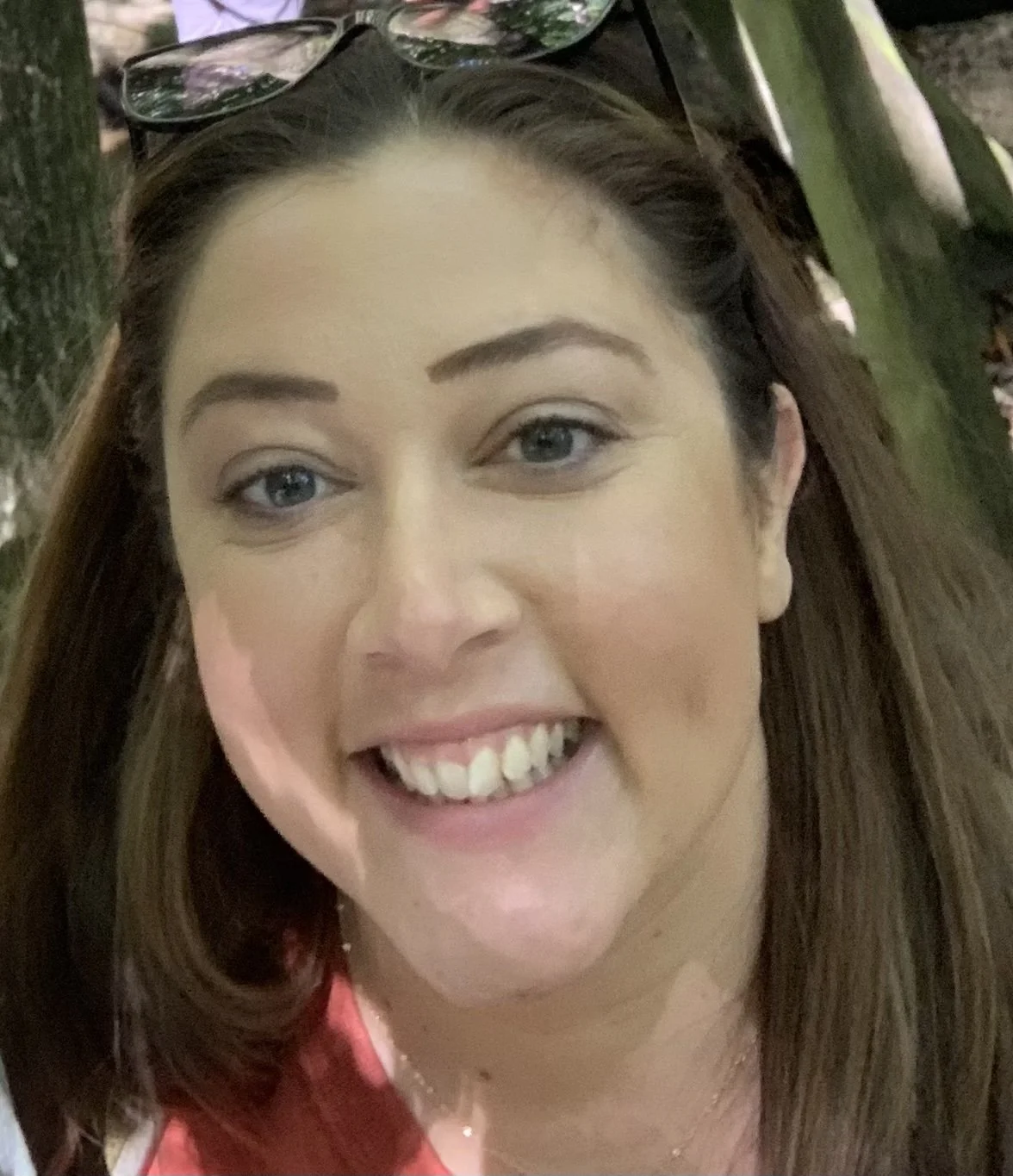
About Kelsey Phillips
I believe people often know more about themselves than they realize.
Hi! I’m Kelsey Phillips. My life has taken me through a lot of different places. I grew up around a lot of instability and experienced things that shaped the way I understood myself, other people, and the world. As I got older, I continued moving through very different environments and circumstances. I experienced many sides of addiction and recovery, lived through abusive relationships, became a mother, built businesses, and worked with people from a wide range of backgrounds and circumstances. I have worked with animals, families, business owners, people with disabilities, and communities that looked very different from one another. I have been a veterinary receptionist, an employment specialist, a real estate agent, a marketing consultant, a business consultant, and a café owner, to name a few. I have started businesses and left businesses. I have tried things I thought I would love and discovered I did not. I have gone back to things I thought I had left behind and sometimes discovered that I still did not want them.
For a long time, I did not think much about how different my experiences were. I was simply living them, adapting to whatever was in front of me, trying things, learning, changing direction, building things, leaving things, and moving on to whatever came next. It was not until I left my son’s father that I realized how much I had actually learned along the way. I had spent so much of my life focused on surviving, adapting, working, parenting, and taking care of other people that I had lost touch with a much simpler question: What do I actually like? I did not have a good answer. So I started looking back, not trying to figure out what I was supposed to do, but trying to understand what my own life had already been telling me. I started noticing the things that energized me, the things I was naturally drawn to, the environments where I felt most like myself, the work that held my attention, the things I kept returning to, and the things I had tried and knew I did not want. I realized that my experiences had been giving me information about myself all along. They were reference points. They gave me something real to draw from when I needed to make a decision.
Once I understood that, I started noticing the same thing happening around me. I saw people who had incredible abilities but had never found a place where those abilities made sense. I saw people assume they were not good at something simply because they had never been given the right opportunity to experience it. I saw young people being asked to make significant decisions about their futures before they had enough experiences to know what they enjoyed, what they were good at, what mattered to them, or how they wanted to contribute. I started wondering what might happen if we stopped expecting people to understand themselves without giving them enough opportunities to discover themselves. What if instead of asking a teenager what they want to be, we gave them experiences that allowed them to discover what kinds of problems they enjoy solving, what environments bring out their strengths, what kinds of people they work well with, what causes matter to them, and what they might want to explore further? Those experiences become reference points that can actually inform future decisions.
I began seeing the same issue within businesses, nonprofits, churches, schools, and communities. Organizations often have people who want to contribute but no meaningful pathway for them to do so. They may have resources, relationships, skills, ideas, and physical spaces that are not being fully used because they are viewed only through the purpose they were originally given. A business may be trying to solve a problem by finding something new when a resource it already has could be adapted. A community may think it needs another program when the people and organizations already there simply are not connected in a way that allows them to work together. An idea may have real potential but fail because the system around it was never designed to sustain it. I became fascinated by that space between what exists, what is needed, and what could become possible if we looked at it differently.
That is where my work comes together. I am interested in developing opportunities by changing the lens we use to see what is already here. Sometimes that means helping a person recognize an ability, interest, value, or strength that has been overlooked. Sometimes it means creating an experience that allows a young person or someone in transition to discover something about themselves through actually doing it. Sometimes it means working with an organization to develop a new role, project, program, partnership, or system around a real need. Sometimes it means finding a more sustainable use for an existing resource or connecting people who have something to contribute with a place where that contribution is needed. The work can look very different depending on the situation, but the underlying process is the same: understand what is here, understand what is needed, question the assumptions, find the connections, and develop a pathway that can actually work.
I care deeply about this because I do not think the answer is always to create more. We live in a culture that constantly tells us we need the next thing, the new resource, the bigger program, the newest technology, the next solution. Meanwhile, there are people whose abilities are going unused, resources that are sitting disconnected from the needs around them, young people who have never been given the chance to discover what they can do, and communities that already contain more possibility than they realize. I want to explore what happens when we learn to work with what we already have and become better at seeing the possibilities within it. That includes developing people, strengthening organizations, creating sustainable systems, caring for communities, stewarding the environment, and finding thoughtful ways for people to contribute to the world around them.
I also believe there is something deeper underneath all of this. I truly believe God uniquely created and gifted every person, and I do not believe those gifts exist simply to become careers, products, or ways to make money. I believe they are meant to be used to create, build, solve, care, serve, steward, and contribute. I believe people need opportunities to discover what they have been given and discern how they might faithfully use it, and I believe our organizations and communities have a responsibility to create pathways where those gifts can actually be used. That is why Reference Point is not about telling someone who they should become or giving an organization a predetermined solution. It is about creating the experiences, connections, structures, and opportunities that allow something already present to become visible and useful.
Reference Point is the framework I developed along the way. It is a way of looking at people, organizations, communities, resources, and problems differently and then developing what becomes possible from that shift in perspective. Sometimes the person is not the problem; the role is. Sometimes the teenager does not lack direction; they lack experience. Sometimes the organization does not lack people; it lacks pathways. Sometimes the community does not lack resources; it lacks connection. Sometimes we do not need to produce something new; we need to learn how to use what we already have more thoughtfully. And sometimes the thing that seems inconvenient, unusual, or unnecessary is actually the thing that makes a new possibility possible.
That is what I want to spend my time doing. I want to help people discover what they have to contribute, help organizations recognize what they already have to work with, and develop the pathways that connect people, resources, needs, and possibilities. My own life taught me that experiences can become reference points, and those reference points can change the way we understand ourselves and the decisions we make. I want to create more opportunities for people to have those experiences and more opportunities for organizations and communities to recognize and use the potential already around them. Because sometimes the opportunity is not missing. Sometimes we just have not learned how to see what is already there.
Outside of work, you can usually find me kayaking, solving complex puzzles, or spending time with my teenage son, two ridiculous dogs, and the world’s calmest cat.